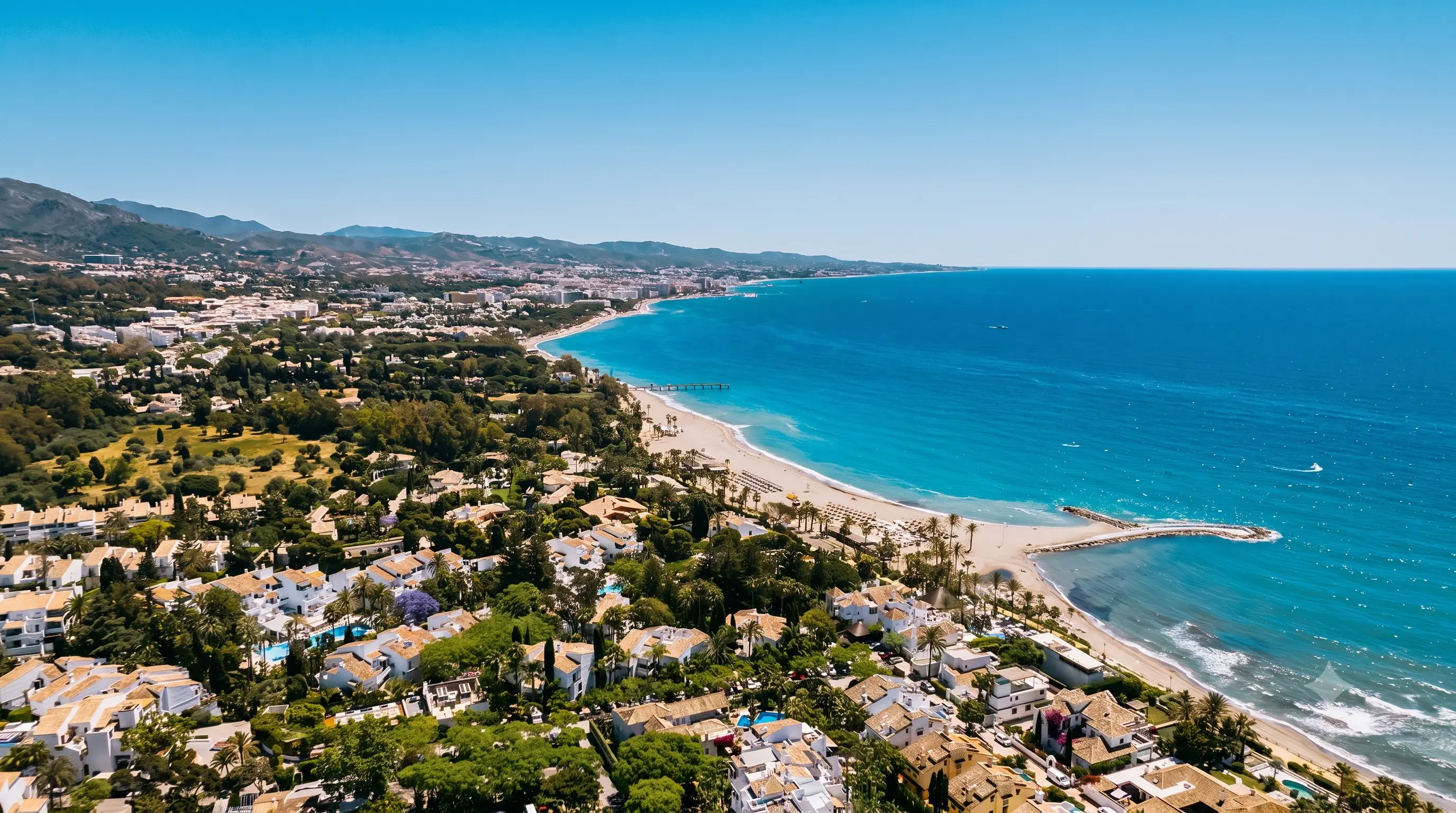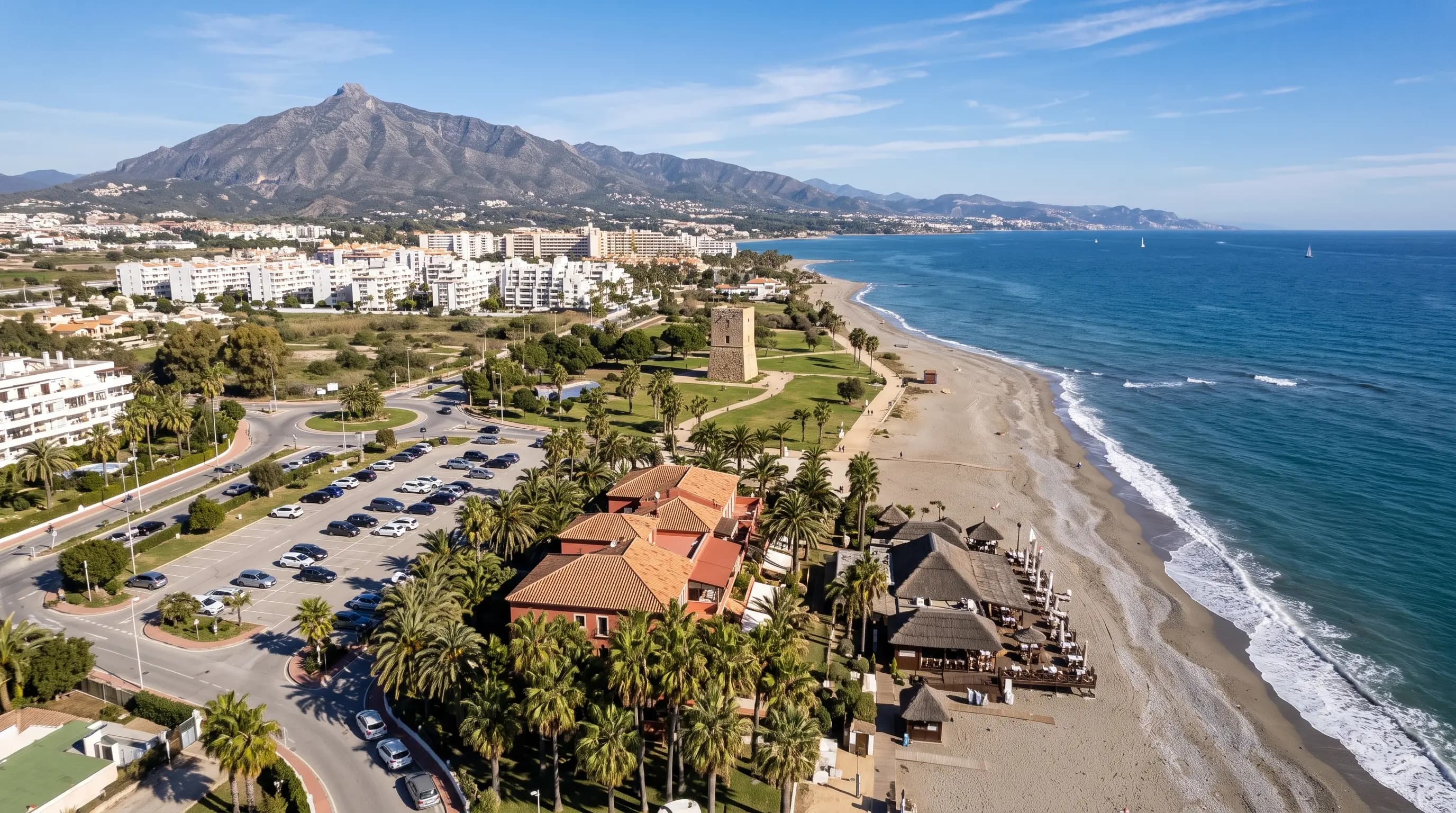


A calm, practical guide for international buyers on the Costa del Sol, from your first paperwork to the day you collect the keys.
First Steps: Your NIE and a Spanish Bank Account
Before you can buy in Spain, you will need an NIE, the foreigner identification and tax number that follows you through every official transaction. It is required to sign the deed, pay taxes and set up utilities, so it is wise to arrange it early.
A Spanish bank account usually follows soon after. It makes paying deposits, taxes and running costs far simpler, and Spanish banks are used to working with international clients. Your lawyer or a trusted adviser can often help you obtain the NIE by power of attorney if you are not able to be present in person.
Your Independent Lawyer
Engaging your own independent lawyer is the single most important decision in the process. Their role is to protect your interests alone: checking ownership, confirming there are no debts or charges on the property, and verifying that licences and planning are in order.
A good lawyer reviews every contract before you sign, explains the costs clearly and guides the money through each stage. We work alongside your legal team, never in place of it, so you always have truly independent advice.
The Three Stages of a Purchase
A Spanish purchase generally moves through three steps. First comes the reservation, a modest deposit that takes the property off the market while checks begin. Then follows the private purchase contract, commonly known as the arras, in which a larger deposit (often around ten per cent) is paid and the terms are agreed.
The final stage is completion before a notary, where the public deed (the escritura) is signed, the balance is paid and ownership passes to you. The notary is a neutral public official who confirms the transaction is lawful and correctly recorded.
A Realistic Timeline
For a straightforward resale purchased with funds in place, the journey from reservation to completion often takes around six to ten weeks. A mortgage, a company purchase or a property with paperwork to resolve can extend this.
New build homes follow their own rhythm, with staged payments made as construction progresses toward handover. Your lawyer will set out a timeline tailored to your specific purchase so there are no surprises.
The Main Purchase Costs
Beyond the price of the property, buyers should budget for purchase costs and taxes. On a resale, the principal tax is the transfer tax (ITP). On a new build bought from a developer, VAT (IVA) applies instead, together with a stamp duty known as AJD.
To these you should add notary fees, land registry fees and your legal fees, plus mortgage costs if you are financing the purchase. As a broad rule of thumb, many buyers set aside somewhere in the region of ten to fourteen per cent of the price to cover taxes and costs, though the true figure depends entirely on your circumstances.
Taxes Explained in General Terms
Tax rates in Spain are set at both national and regional level, so they vary by autonomous community and can change with the property, its value and your own situation. For this reason we describe taxes here only in general terms and do not quote fixed percentages as fact.
Any figures you read as general guidance should be treated as approximate. Before you commit, always confirm the exact rates and your total costs with a qualified tax adviser or lawyer who knows the region in which you are buying.
A Note on This Guide
This article is general information only and is not legal or tax advice. Rules, rates and procedures change and every purchase is different, so you should seek independent professional advice from a qualified lawyer and tax adviser before making any decision.